Macau SAR Government Unveils Draft Amendment to Urban Master Plan Through 2040
Written by Lars Klein · Jun 30, 2026

Macau SAR Government Unveils Draft Amendment to Urban Master Plan Through 2040
Macau SAR Government has put forward a draft amendment to the Macau Urban Master Plan covering 2020-2040, and this document adjusts the structural layout to establish core areas dedicated to diversified industrial development. The proposal incorporates forecasts that place the region's population at 783,000 by 2040 while opening a 60-day public consultation window that runs from June 29 through August 27, 2026. Officials designed the changes to integrate major infrastructure projects including the Macau Integrated International Tourism and Culture Zone.
Structural Adjustments for Industrial Diversification
Authorities revised the plan's framework so that designated core zones receive priority for industries beyond traditional sectors, and this approach aligns land-use designations with emerging economic priorities. The amendment identifies specific districts where mixed-use developments can support technology, tourism services, and creative enterprises without disrupting existing residential or commercial patterns. Government planners incorporated data from recent economic assessments to ensure these zones connect efficiently to transportation networks already under construction or expansion.
Observers note that the updated layout preserves green buffers and heritage sites while reallocating underutilized parcels for industrial clusters, and this balance reflects ongoing efforts to sustain long-term urban resilience. The document outlines performance metrics for each core area, including employment density targets and infrastructure capacity thresholds that local agencies will monitor through 2040.
Population Forecast and Urban Capacity Planning
The draft projects Macau's population will reach 783,000 residents by 2040, a figure derived from demographic modeling that accounts for migration trends, birth rates, and labor inflows tied to new industrial zones. Planners used this projection to calibrate housing supply, public service allocations, and transit capacity across the peninsula and outlying islands. The forecast integrates with land-use maps that reserve sufficient space for residential expansion without encroaching on protected conservation lands.
Analysts who reviewed preliminary versions of the amendment highlighted how the population estimate influences water, electricity, and waste-management infrastructure sizing, and those calculations appear in dedicated technical appendices. The plan also factors in seasonal visitor volumes expected to accompany the tourism and culture zone, which adds another layer to daily carrying-capacity assessments.
Sixty-Day Public Consultation Period Begins in June 2026
Starting June 29, 2026, residents, businesses, and civic organizations gain access to the full draft through official portals and physical exhibition centers located in multiple districts. The 60-day window closes on August 27, 2026, giving participants ample time to submit written comments on zoning boundaries, industrial incentives, and transportation linkages. Government staff have scheduled a series of town-hall meetings during this interval to explain technical elements and record verbal feedback.
Submission channels include both digital forms and paper questionnaires, and authorities have committed to publishing a summary of all comments once the period ends. This structured process follows established procedures for master-plan revisions and ensures transparency in how public input shapes final language.
Integration of Major Infrastructure Projects
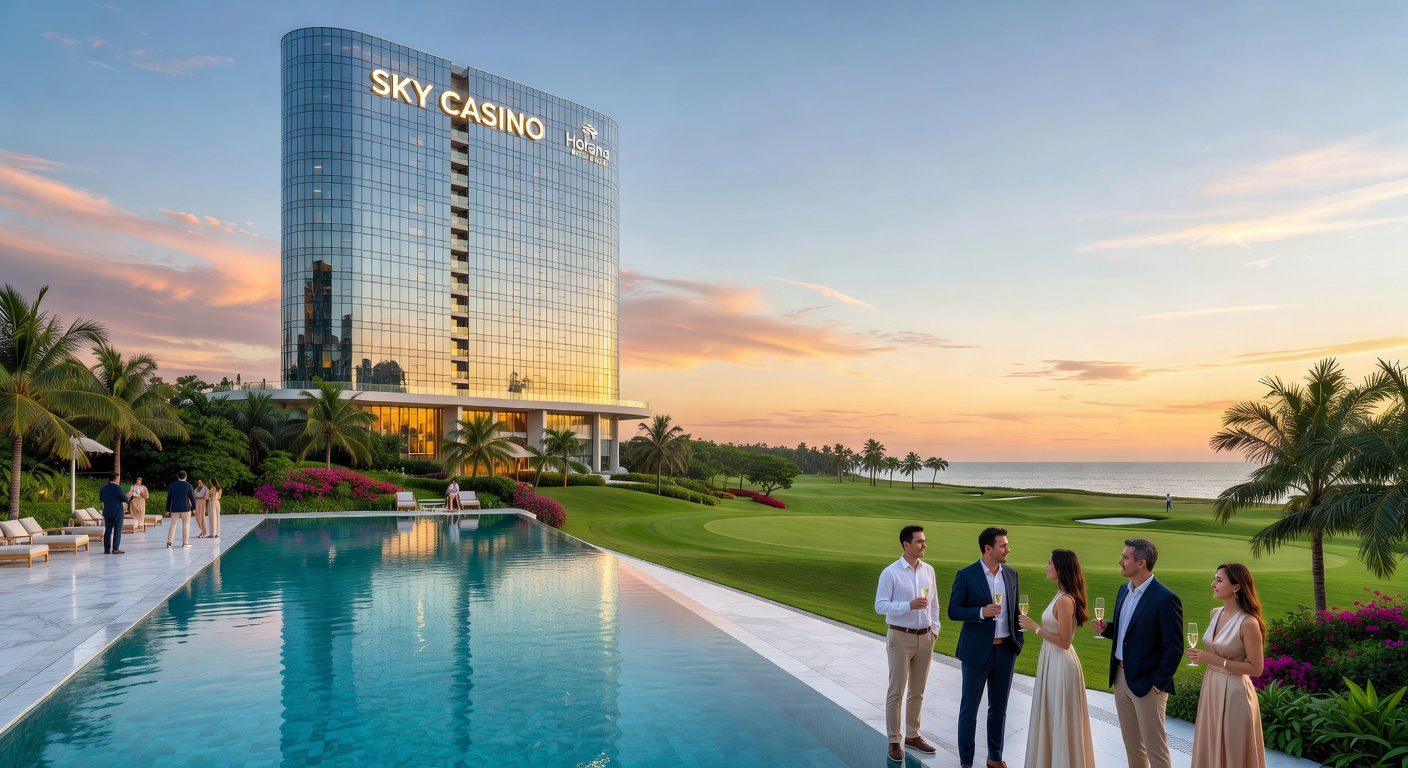
The amendment explicitly accommodates the Macau Integrated International Tourism and Culture Zone by adjusting surrounding land parcels and circulation routes to support large-scale event facilities, hospitality developments, and cultural venues. Additional provisions address connectivity to the Hong Kong-Zhuhai-Macau Bridge and forthcoming light-rail extensions, ensuring that visitor and resident flows remain balanced across the territory.
Technical studies referenced in the draft confirm that utility corridors and emergency-access routes have been pre-planned to avoid conflicts with industrial core areas, and these alignments appear on updated zoning overlays. Project timelines embedded in the document schedule phased land releases that coincide with construction milestones already approved by relevant bureaus.
Implementation Timeline and Monitoring Framework
Once the consultation concludes, officials plan to incorporate accepted revisions and submit the finalized amendment for legislative review before the end of 2026. The master plan then enters a rolling five-year evaluation cycle during which agencies track progress against population benchmarks, industrial output goals, and infrastructure utilization rates. Annual reports will be made available to the public, maintaining accountability throughout the 2020-2040 horizon.
Conclusion
The draft amendment represents a coordinated update to Macau's long-range urban strategy that aligns land policy with projected demographic growth and targeted industrial expansion. By opening the document for public review between June 29 and August 27, 2026, the SAR Government continues its established practice of soliciting broad input before final adoption. The inclusion of the Macau Integrated International Tourism and Culture Zone within the revised layout demonstrates how infrastructure and economic-diversification objectives converge in the updated framework. Those interested can review the complete text and submit comments through official channels during the designated consultation window.