Resort Venues Adapt Gaming Experiences Amid Worldwide Player Movements in June 2026
Written by Lars Reed · Jun 16, 2026

Resort Venues Adapt Gaming Experiences Amid Worldwide Player Movements in June 2026
Resort venues continue to refine their offerings as player preferences evolve, and data from multiple regions shows steady interest in both classic table games and digital slot formats through June 2026. Operators track participation rates across blackjack, roulette, poker variants, and electronic machines while adjusting floor layouts to match observed patterns. Research indicates that venues in North America and parts of Asia report consistent foot traffic for games with lower house edges, whereas higher-volatility options draw specific demographics during evening hours.
Blackjack remains a staple at many properties because its rules allow players to influence outcomes through decisions on hitting, standing, splitting, and doubling down. Standard versions use multiple decks, with dealers hitting on soft 17 in some jurisdictions and standing in others. The house edge typically sits between 0.5 and 2 percent depending on the exact rule set and player strategy. Observers note that card counting attempts occur less frequently in automated or continuous shuffle environments, which many resorts adopted years ago to maintain game pace.
Core Mechanics Across Table Games and Slots
Roulette operates on a wheel divided into numbered pockets, with American versions featuring both a single and double zero that raises the house edge to 5.26 percent while European wheels maintain a 2.7 percent edge through the single zero alone. Players place bets on individual numbers, colors, or groups, and the game runs on independent spins without carryover effects from prior rounds. Baccarat, popular in high-limit areas, assigns point values to cards where face cards count as zero and aces equal one, with the closest hand to nine winning each round.
Slot machines function through random number generators that determine reel stops after each spin initiation. Modern titles incorporate multiple paylines, bonus rounds, and progressive jackpots that accumulate across linked machines. Return-to-player percentages vary widely, often ranging from 85 to 98 percent depending on jurisdiction and machine denomination, though actual outcomes remain unpredictable per spin. Those who've studied these systems point out that progressive titles frequently allocate a small percentage of each wager toward the growing prize pool.
Regional Preferences and Statistical Shifts
Venues in different parts of the world emphasize distinct game mixes based on local regulations and visitor demographics. Asian resorts often allocate substantial space to baccarat and sic bo, while European properties maintain strong roulette and blackjack sections. North American floors blend both alongside video poker and newer electronic table games that simulate live dealer interactions through screens and touch interfaces. Figures from industry tracking services reveal that slot revenue continues to represent the largest share at many properties, yet table game hold percentages show resilience in VIP sections.
During June 2026, several operators introduced updated electronic versions of older games that incorporate skill elements within regulatory limits, allowing players limited choices that affect payout structures. These additions appear alongside traditional formats without replacing them outright. Data from the American Gaming Association highlights continued investment in technology that speeds up game cycles while preserving core rules that players already understand.
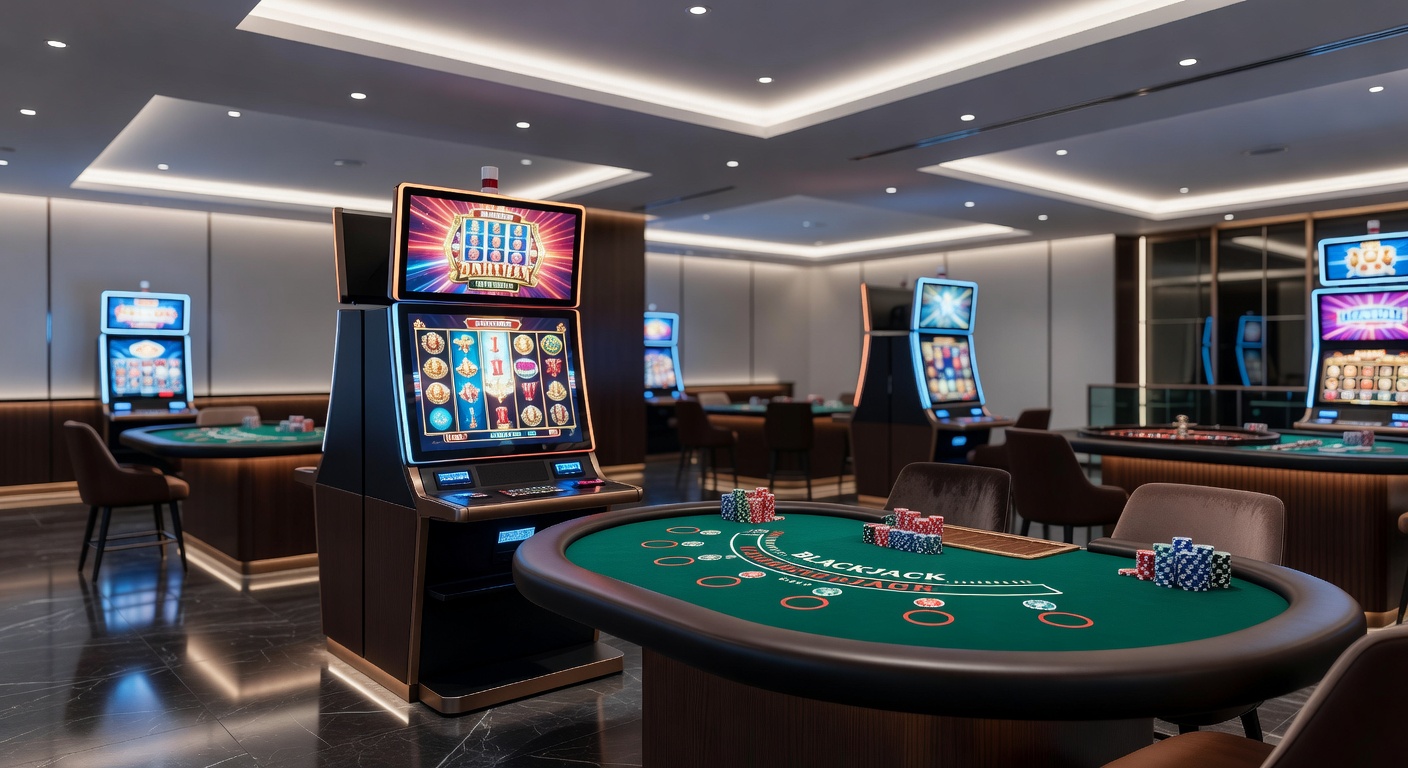
Probabilities remain fixed once rules are set, yet player behavior influences session length and average wager size. Studies from academic institutions track how session data correlates with game volatility, noting that participants often migrate between low and high variance options within a single visit. Resorts respond by clustering machines with similar payout profiles near high-traffic walkways.
Regulatory Context and International Developments
Government agencies across multiple continents publish monthly or quarterly reports that detail gross gaming revenue, tax contributions, and compliance metrics. The New Jersey Division of Gaming Enforcement, for instance, releases figures that allow comparison of land-based and online channels, while Australian state regulators publish separate breakdowns for electronic gaming machines versus table play. These reports help operators identify which games maintain steady hold percentages amid changing economic conditions.
June 2026 brought additional attention to cross-border player movements, with resorts noting increased interest from travelers who encounter familiar titles in new settings. Some properties adjusted minimum bet levels on certain tables to accommodate wider ranges of participants, while others expanded tournament schedules for poker and blackjack that run on fixed schedules throughout the month. Industry organizations such as the Canadian Gaming Association compile similar data that shows parallel trends in provincial markets.
Conclusion
Casino game offerings at resort venues reflect a balance between established mechanics and incremental adjustments driven by participation data. Rules for blackjack, roulette, baccarat, and slots stay consistent across locations even as electronic delivery methods and floor configurations continue to shift. Reports from regulatory bodies and trade groups document revenue patterns and player distribution without altering the underlying probabilities that define each game. Observers continue to monitor how these elements interact through the remainder of 2026 as venues refine their approaches based on measurable outcomes.