Resort Venues Adopt Advanced Gaming Systems Amid Global Player Shifts in May 2026
Written by Vera Flores · May 31, 2026

Resort Venues Adopt Advanced Gaming Systems Amid Global Player Shifts in May 2026
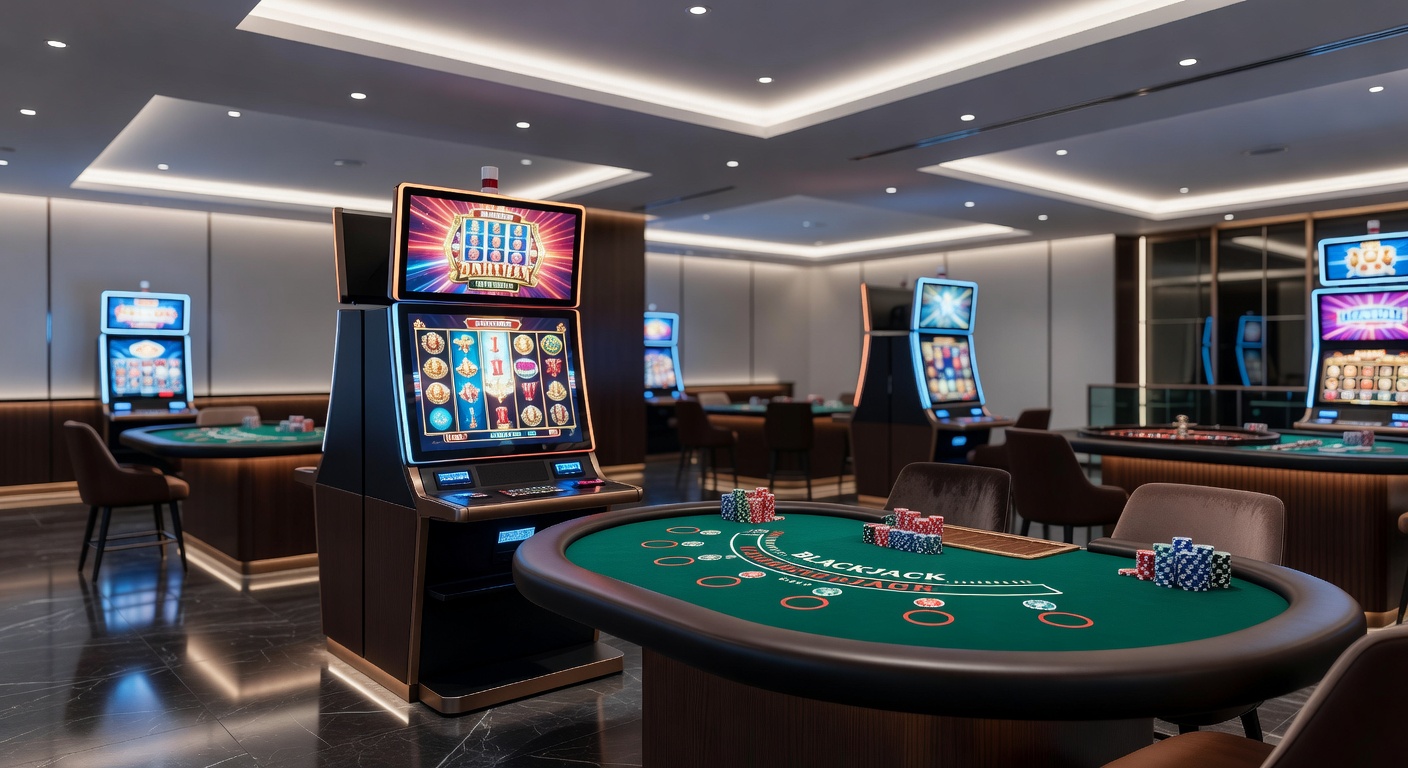
Resort-based gaming operations continue to integrate new technologies that alter how participants engage with classic wagering formats, and data collected through early 2026 shows measurable changes in session lengths and game selections across multiple jurisdictions. Operators report that interactive displays and mobile-linked loyalty programs now appear on both slot floors and table areas, which allows real-time tracking of play patterns while players move between different station types.
Core Mechanics of Table Games and Machine Formats
Blackjack remains structured around a dealer competing against multiple participants who each receive two cards initially, with the objective of reaching a total closer to 21 than the dealer without exceeding that number, and standard rules permit doubling down or splitting pairs under defined conditions that vary slightly by venue. Roulette wheels feature either 37 or 38 pockets depending on whether the layout follows European or American specifications, which directly influences the mathematical return percentages offered to participants over extended play periods.
Slot machines operate through random number generators that determine reel outcomes independently on each spin, and current models incorporate multi-level bonus rounds plus progressive jackpots that accumulate across linked terminals. Observers note that these mechanical foundations stay consistent even as visual themes and payout structures receive updates to align with seasonal promotions during May 2026.
Regional Data and Recent Developments
Figures compiled by the Nevada Gaming Control Board indicate steady participation rates at major properties through the first quarter, while similar monitoring in Canadian provinces reveals increased interest in electronic table variants that combine live dealers with digital interfaces. Australian research centers have documented parallel movements toward hybrid formats that blend physical chips with app-based tracking, and these patterns suggest broader industry movement toward unified player accounts that function across both land-based and remote platforms.
During May 2026 several properties introduced new progressive networks that connect machines across multiple sites, creating larger prize pools that draw attention from high-volume participants. Such networks require coordinated regulatory approval yet deliver measurable increases in average wager sizes according to preliminary operator summaries.
Technological Integration and Player Tracking
Many venues now deploy RFID-enabled chips and table sensors that feed data directly into centralized systems, allowing operators to adjust minimum bets dynamically based on floor traffic. These systems also support personalized offers sent through mobile devices, which participants receive while seated at machines or tables, and the approach reduces reliance on physical comp cards that previously required manual redemption steps.
Virtual reality stations remain limited to select locations but have expanded testing phases this spring, where users wear headsets to experience simulated environments while placing wagers on standard game rules. Early adoption metrics show shorter average session times compared with traditional terminals, though repeat visits appear higher among younger demographic groups tracked by property analytics.
Regulatory Oversight and Industry Standards
Gaming authorities in multiple regions continue to enforce testing protocols for new hardware and software releases, and these requirements include independent laboratory verification of random outcome integrity before public deployment. Compliance documentation from the Malta Gaming Authority and similar bodies in Asia-Pacific markets outlines consistent audit cycles that cover both physical and digital offerings throughout the calendar year.
Industry associations publish periodic reports that aggregate revenue by game category, and these documents help identify which formats maintain stable returns across economic cycles. Such data sets also inform decisions about floor layouts when properties plan renovations or expansions scheduled for later in 2026.
Conclusion
Resort gaming environments reflect ongoing adaptation through technology layers added to longstanding game structures, and May 2026 records demonstrate continued interest in both established table formats and evolving machine features. Regulatory frameworks across jurisdictions maintain consistent standards that support these changes while preserving core probability elements that define each activity. Observers tracking participation patterns expect further refinements in player interface design as data collection capabilities expand over the coming months.